Pool Leak Detection In Long Branch, NJ is Just a Call Away
Call NJ Pool Patcher today at 732-705-7344 for fast and accurate pool leak detection and Leak Repairs—stop the leak before it causes more damage!

When water drops quickly in your pool, our pool leak repair Long Branch specialists deliver precise diagnostics designed for coastal Monmouth County neighborhoods. Long Branch pools face stronger ocean winds, shifting sand pockets, higher groundwater pressure, and salt-driven aging—all of which make leaks more common than inland towns. Because Pool Patcher® focuses exclusively on leak detection and repair, our equipment is built to handle the difficult plumbing and structural issues seen in Long Branch’s coastal pool environments.
We service all Long Branch neighborhoods, including Elberon, West End, North Long Branch, Branchport, Pleasure Bay, Cedar Avenue, Bath Avenue, and Hinckley areas. These sections experience different soil movement, wind patterns, and water-table fluctuations that influence how leaks begin. For more details about our full diagnostic process, you can visit our pool leak repair services page or compare nearby towns like Sea Bright and Monmouth Beach.

Long Branch is one of the most leak-prone areas in Monmouth County because of its proximity to the Atlantic Ocean. Homes near Ocean Avenue, West End, Elberon, and North Long Branch experience salty air and shifting soil from coastal weather patterns. Pools near Lake Takanassee and Pleasure Bay also face changing groundwater conditions that put pressure on underground plumbing. These variables require a very specific approach when diagnosing leaks.
Because we specialize exclusively in pool leak detection, we use advanced acoustic sensors, precision pressure gauges, and structural dye testing to locate hidden leaks without guesswork. Our experience across Monmouth County towns such as Wall Township and Neptune Township helps us understand the coastal mechanics that influence Long Branch pools specifically.
Because Long Branch receives strong oceanfront winds, many homeowners misinterpret wind-driven evaporation as a plumbing leak. True leaks behave differently. You may notice water dropping on calm days, the pump pulling air, or wet soil in a single location. Some Long Branch homes have plumbing lines running under large patios or older walkways built decades ago, which can shift as coastal sand settles.
Vinyl liner pools may wrinkle or pull away around stairs in the West End area. Fiberglass shells may crack in older Elberon properties where groundwater rises seasonally. Gunite pools sometimes experience structural seepage through tiny cracks after winter freeze–thaw cycles. In any case, our pool leak repair Long Branch process identifies whether the leak is structural, plumbing-related, or surface-level.

Our Long Branch specialists perform advanced pressure and acoustic diagnostics to identify underground leaks with accuracy.
Long Branch includes many older homes built between the 1950s and early 2000s, where underground PVC fittings, couplings, and returns may develop leaks from ground movement or long-term wear. To confirm underground leaks, Pool Patcher® isolates each line—returns, skimmers, main drains, and secondary lines—and applies controlled pressure while monitoring for measurable loss.
Once a leaking line is identified, we use electronic listening tools to track the sound of escaping water beneath patios, pavers, grass, or concrete. This allows us to mark the leak location with precision, saving homeowners from unnecessary digging. If needed, an optional pipe video inspection can provide internal visuals to confirm cracks, separations, or blockages inside the pipe.
Long Branch includes a diverse range of pool types—from fiberglass shells near the oceanfront to vinyl liner pools in the West End and gunite pools in Elberon. Vinyl pools often leak around steps and fittings as liners age. Fiberglass pools may show spider cracking or flex stress due to high groundwater pressure. Gunite pools can develop structural seepage behind tiles or at older return ports. Our pool leak repair Long Branch service adapts to each construction style, ensuring every test is meaningful.
You can explore more structural repair details on our repair services page or compare coastal patterns in Sea Bright and Oceanport.
Every part of Long Branch experiences different leak behavior. West End and North Long Branch often have shifting sand beneath pools. Elberon features homes with older plumbing systems that may weaken over time. Areas closer to Ocean Avenue regularly face wind-driven evaporation that can confuse early leak signals. Near Lake Takanassee, rising groundwater after heavy storms can stress underground plumbing and fittings.
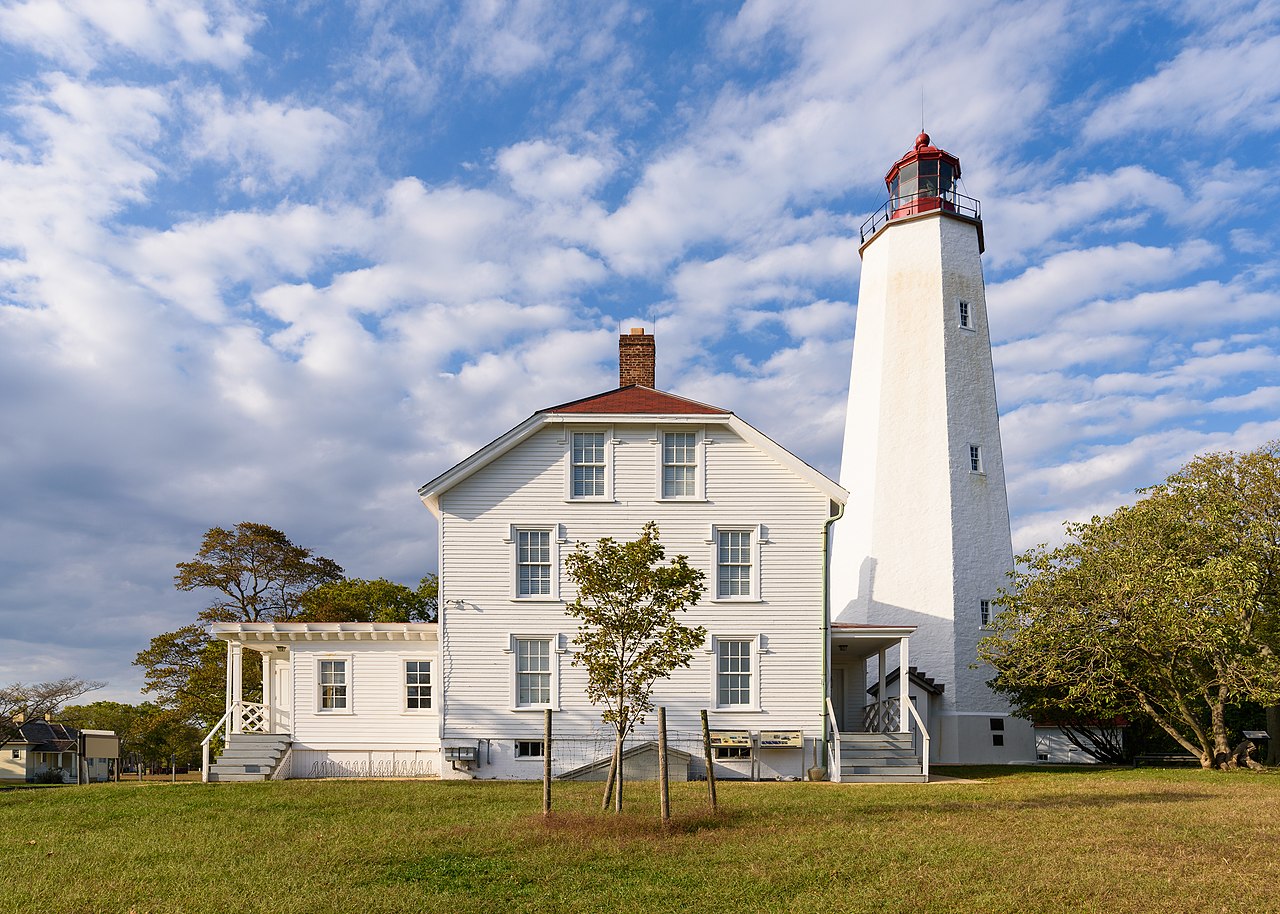
For township regulations or property details, visit the Long Branch official website. You may also browse our service area coverage for additional nearby locations.
Pool Patcher® services every neighborhood in Long Branch, including West End, Branchport, Elberon, North Long Branch, Pleasure Bay, Lake Takanassee, and all coastal homes near Ocean Boulevard. For questions or appointment availability, call 732-705-7344 or visit our contact page.
Coastal wind, shifting sand, and higher groundwater levels create more stress on underground plumbing and structural components than inland areas like Freehold or Marlboro.
Yes. Salt-heavy air in Long Branch accelerates wear on metal and plastic fittings, causing leaks to appear earlier than expected.
Absolutely—especially along Ocean Avenue. However, if water loss continues on calm days, a true leak is almost always present.
Moisture and freeze cycles near the shoreline can cause expansion and contraction, creating small cracks that eventually leak.
Pools near the ocean benefit from periodic testing due to coastal conditions, soil movement, and return-line wear common in older neighborhoods like Elberon.