Pool Leak Detection In Freehold, NJ is Just a Call Away
Call NJ Pool Patcher today at 732-705-7344 for fast and accurate pool leak detection and Leak Repairs—stop the leak before it causes more damage!

When your pool begins losing water more quickly than normal, our pool leak repair Freehold specialists deliver targeted diagnostics built for the larger inground pools found throughout Freehold Township. Across neighborhoods like East Freehold, Raintree, Wynnefield, Stonehurst, Georgia Road, West Freehold, and the Route 537 corridor, pools often face aging plumbing lines, long return runs, shifting soil pockets, and seasonal freeze–thaw cycles that cause leaks to appear in unexpected places. Because Pool Patcher® focuses exclusively on leak detection—not general pool cleaning or weekly service—you receive advanced pressure testing, electronic listening, and structural analysis designed specifically to locate hard-to-find leaks in residential pools.
Freehold Township includes a wide variety of pool construction types, including vinyl liner, fiberglass, and older gunite pools built between the 1980s and early 2000s. We draw on a decade of local Monmouth County experience, working daily in towns like Howell, Marlboro, and Colts Neck, giving us the advantage of recognizing the leak patterns unique to Freehold Township properties. For more information, explore our pool leak repair services or contact us directly at 732-705-7344.

Freehold Township pools sit on a blend of clay-rich soil, compacted fill, and open farmland soil, depending on the neighborhood. Areas like Georgia Road and West Freehold tend to experience heavier spring saturation. Subdivisions near Route 9 and 537 include long plumbing runs that pass under patios, walkways, and older retaining structures. In East Freehold, nearby mature trees and seasonal ground movement sometimes place extra pressure on underground lines. These localized conditions make pool leak repair Freehold a highly specialized process because similar symptoms can come from completely different causes depending on the property’s terrain and construction era.
The most common leak points in Freehold include aging skimmers, cracked return fittings, step corners, underground PVC couplings, and worn vinyl liner seams. Because we use improved acoustic and pressure tools on every appointment, you receive a detailed, location-specific explanation of what’s leaking and how to correct it.
Across Freehold Township, homeowners frequently notice several early indicators before a major leak becomes obvious. The pool may lose two inches of water within a few days, even when temperatures are mild. You may see air blowing through the jets or hear the pump struggling to stay primed. Soil near a section of plumbing may stay damp longer than usual, or you might observe a repeat waterline mark on the tile where the water keeps stopping. In subdivisions with older pools, such as Stonehurst or Raintree, return lines may develop slow drips underground that eventually turn into measurable water loss.
Structural issues also occur. Vinyl liners can wrinkle in the shallow end or pull away from the wall around fittings. Fiberglass shells may show hairline stress cracks after winter. Gunite pools sometimes seep behind tiles or through older, unsealed penetrations. When any of these occur, professional pool leak detection becomes essential to prevent additional structural movement or patio settling.

Our Freehold Township technicians combine pressure testing and electronic diagnostics to identify leaks with accuracy.
Freehold Township includes both flat and sloped properties, making underground plumbing leaks vary widely between neighborhoods. To test for pipe leaks, Pool Patcher® isolates each plumbing line—including returns, skimmers, main drains, and cleaner lines—then applies controlled pressure to determine which segment is compromised. After identifying a leaking line, we trace the escape point using acoustic listening tools that detect sound waves beneath concrete, grass, pavers, and decks.
Many Freehold Township homes have return lines that run long distances beneath patios or pass beneath additions or walkways. Precise underground testing ensures we identify the leak location without unnecessary demolition. For deeper or more complex leaks, we may suggest optional pool pipe video inspection to confirm interior pipe conditions, especially in older vinyl or gunite systems.
Freehold Township includes all three major pool construction types. Vinyl liner pools often leak at seams, fittings, or skimmers as liners age. Fiberglass pools may develop cracks where ground settlement occurs, especially in areas with soil that expands after heavy rain. Gunite pools can experience seepage through structural hairlines or around aging returns. Our pool leak repair Freehold approach adjusts based on your pool’s construction type to ensure testing focuses on the areas most likely to leak.
To compare services across the region, review our Monmouth County pool leak repair guide or nearby towns such as Wall Township and Neptune Township.
Different Freehold Township neighborhoods demonstrate different leak tendencies. Raintree and Wynnefield properties often have long plumbing runs that experience pressure changes over time. East Freehold and Georgia Road areas include many vinyl pools built during major housing expansions, now reaching ages where fittings and skimmers weaken. Stonehurst often sits on heavier clay that expands in winter and contracts in summer, stressing underground PVC connections. Meanwhile, West Freehold homes near the Route 537 corridor commonly face evaporation-confused leak symptoms due to open sun exposure during peak summer.
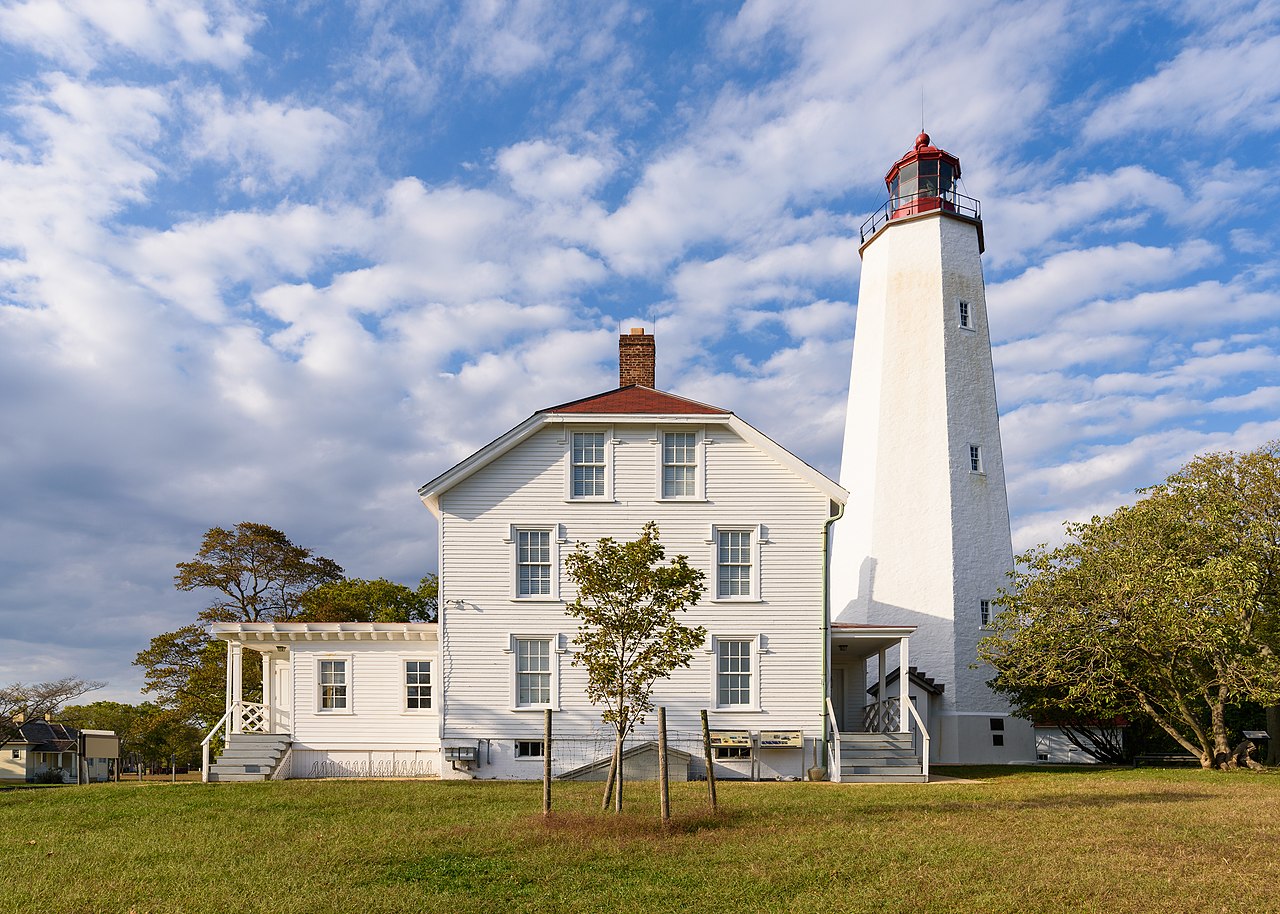
For local permitting, construction guidance, and township regulations, visit the Freehold Township official website. You may also explore our pool leak repair service area to see nearby coverage.
Pool Patcher® serves all areas of Freehold Township including East Freehold, Raintree, Stonehurst, Wynnefield, Georgia Road, West Freehold, and the Route 9 and Route 537 residential corridors. If you’re unsure whether your home falls within our Monmouth County route, call 732-705-7344 or visit our contact page for details.
Many Freehold neighborhoods were built in the 1980s–2000s, meaning fittings, skimmers, and underground lines are now reaching ages where natural wear creates plumbing stress and structural separation.
Yes. Freehold’s freeze–thaw cycles place pressure on underground pipes and pool shells. When spring arrives, small cracks often turn into measurable water loss.
If your waterline stops at the same height each time, or if bubbles return through the jets, the cause is almost always a leak—not evaporation.
Yes. Many Freehold Township homes have large patios built over long plumbing runs. Our acoustic equipment can pinpoint leaks beneath hardscape surfaces without removing them.
Freehold is part of our central Monmouth County route. During peak season, calling early in the week offers the best availability.