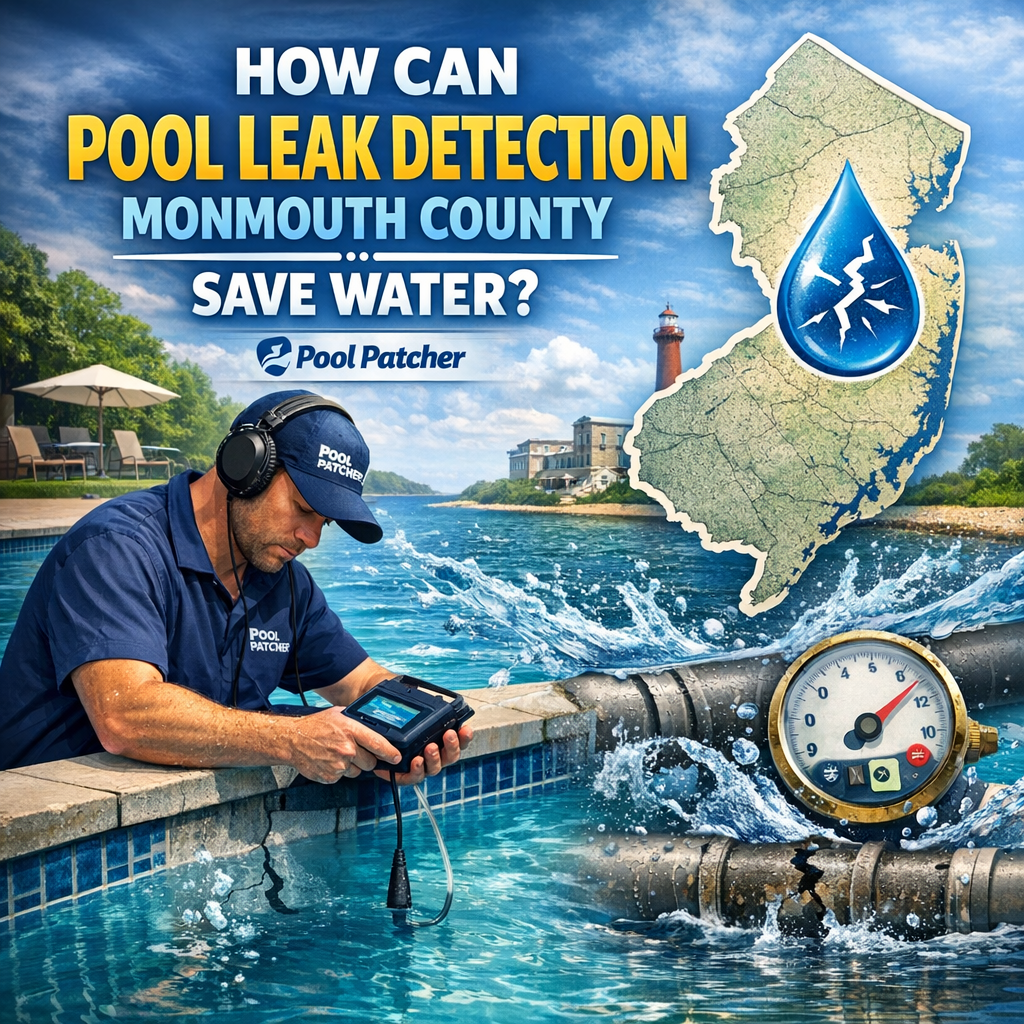
Pressure-side pools, often appreciated for their convenience and efficiency, are a popular choice among pool owners. However, they are also susceptible to specific issues, notably leaks that can compromise their functionality and longevity. Among various types of leaks, pressure-side pool leaks are particularly common and can be challenging to detect and repair. Understanding the underlying causes and preventive strategies is essential for maintaining a healthy and well-functioning pool system. This article explores why Plumsted pools tend to develop pressure-side leak issues, focusing on the system components, common causes, and effective preventative measures.
Understanding the Pressure-Side Pool System and Its Components
The pressure-side pool system is designed to circulate and filter pool water efficiently. It primarily consists of a pump, a pressure-side skimmer or booster pump, a dedicated return line, and associated plumbing and fittings. The pump draws water from the pool through a skimmer or drain, then pressurizes it before sending it back into the pool via return jets. This pressurized circulation helps keep the water clean and balanced. Key components such as the pump seals, valves, fittings, and hoses work together to maintain a sealed system under pressure. Proper installation and maintenance of these components are vital for preventing leaks, as any weak point or failure can lead to water loss and system inefficiency.
Common Causes of Leak Formation in Pressure-Side Pools
Leaks in pressure-side pools often originate from a variety of sources related to the system’s components and operational conditions. One common cause is worn or damaged pump seals, which can deteriorate over time due to constant pressure and exposure to chemicals. Fittings and hoses may also develop leaks if they are improperly installed, loose, or cracked, especially in areas subjected to frequent movement or temperature fluctuations. Additionally, corrosion or mineral buildup around fittings and valves can weaken the integrity of the connections, leading to leaks. Pressure fluctuations caused by pump cycling or pressure relief valves can stress the system and contribute to joint failures. Environmental factors such as ground shifting or debris infiltration can further compromise the plumbing, resulting in persistent leaks.
Preventative Measures to Minimize Pressure-Side Pool Leaks
To reduce the likelihood of pressure-side pool leaks, proactive maintenance and careful system management are essential. Regular inspection of all plumbing fittings, hoses, and seals can help identify early signs of wear or damage before they escalate into significant leaks. Ensuring that all connections are tight and properly sealed, and replacing worn components promptly, can significantly improve system integrity. Installing high-quality fittings and using corrosion-resistant materials can also extend the lifespan of the plumbing. Additionally, maintaining appropriate chemical levels and ensuring proper filtration can prevent mineral buildup and corrosion. Implementing pressure regulation and monitoring can help detect abnormal fluctuations, allowing for timely intervention. Overall, a combination of routine inspections, quality components, and attentive system operation can help minimize pressure-side pool leak issues and maintain a durable, leak-free pool system.
Understanding the intricacies of pressure-side pool systems and the common causes of leaks is crucial for effective maintenance and longevity. By being proactive in inspections and employing preventative strategies, pool owners can mitigate the risks associated with pressure-side leaks, ensuring their pools remain functional and enjoyable for years to come.