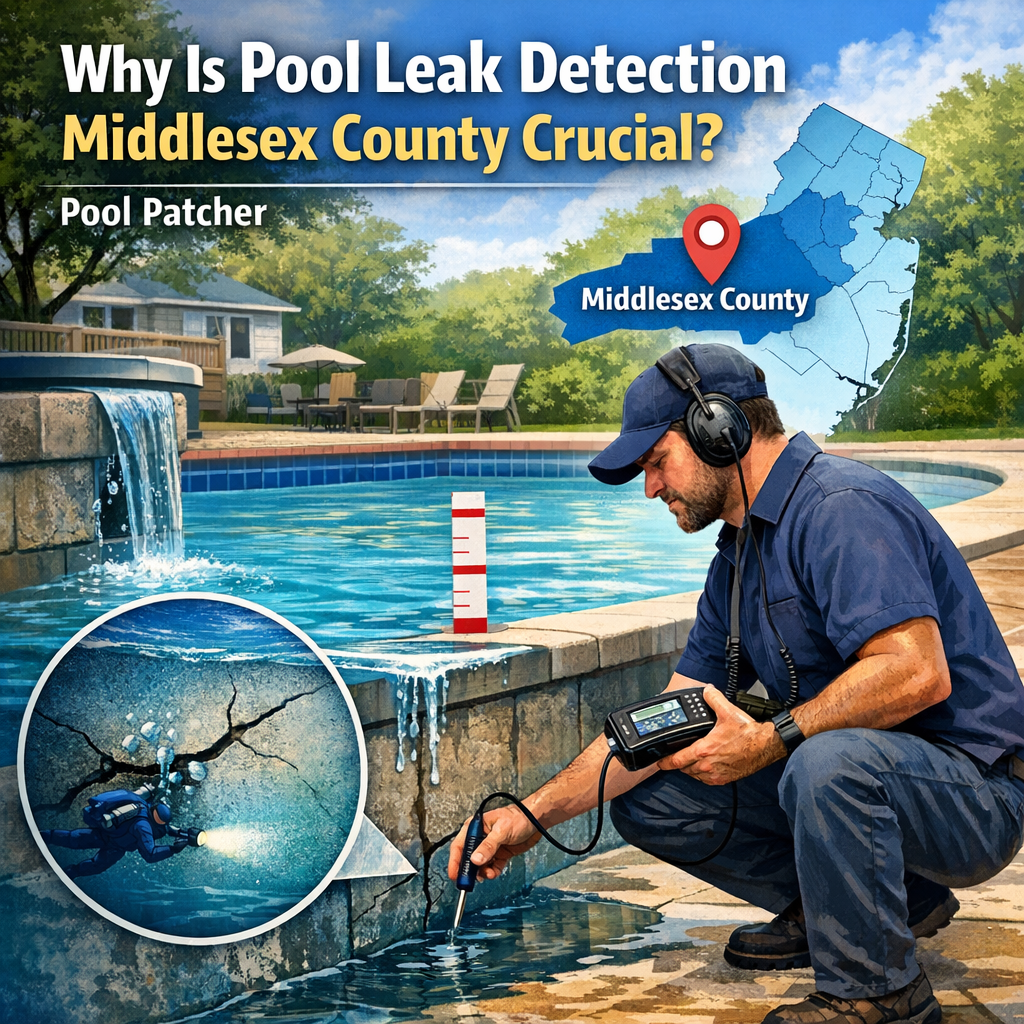
Pools in apartment complexes are essential amenities that enhance residents’ quality of life and add aesthetic appeal to the community. However, maintaining these pools can be challenging, especially when facing issues like leaks. In Long Branch, where pools are a common feature, understanding the causes, signs, and solutions related to pool leaks is crucial for property managers and residents alike. Addressing these problems promptly not only preserves the pool’s functionality but also prevents costly repairs and water wastage. This article explores the typical causes of pool leaks in Long Branch apartment complexes, how to recognize their signs, and the effective strategies for fixing and preventing leaks.
Common Causes of Pool Leaks in Long Branch Apartment Complexes
Pool leaks in Long Branch apartment complexes often stem from a variety of structural and mechanical issues. Over time, aging pool components such as cracked or deteriorated plaster, damaged pool liners, or worn-out plumbing connections can develop leaks. Poor construction quality or improper installation may also contribute to early leaks, especially in new developments. Additionally, ground movement or shifting soil can cause cracks in the pool shell or surrounding decking, leading to water escape. External factors like tree roots infiltrating underground pipes or debris blocking filtration systems can further exacerbate leak problems. Regular wear and tear, combined with environmental influences specific to Long Branch’s climate, make pool leaks a common maintenance concern in these communities.
Signs and Symptoms of Pool Leaks to Watch For
Detecting a pool leak early is vital to minimize damage and repair costs. Common signs include unexplained drops in water levels despite consistent refilling, which can be observed over several days or weeks. Visitors might notice water pooling around the pool deck, indicating possible structural leaks or cracks. Reduced water pressure in the filtration system, frequent loss of siphon or suction, or an increase in water bills are also telltale signs. Sometimes, the presence of wet spots or erosion around the pool area, along with visible cracks or damaged tiles, can point to underlying leaks. Monitoring these symptoms diligently allows property managers and residents to address issues before they escalate into more severe problems.
Effective Solutions and Preventative Measures for Pool Leaks
Addressing pool leaks effectively begins with accurate diagnosis, often requiring professional inspection and testing, such as dye testing or pressure tests. Once identified, repairs may involve patching cracks, replacing damaged liners, or repairing faulty plumbing connections. To prevent future leaks, regular maintenance is essential, including monitoring water levels, inspecting equipment, and sealing cracks promptly. Upgrading aging infrastructure with durable materials and ensuring proper installation can significantly reduce leak risks. Additionally, implementing a routine maintenance schedule and educating residents about proper pool use can help sustain pool integrity. Long-term preventative measures, like installing leak detection systems or scheduling periodic professional inspections, can save costs and extend the lifespan of apartment complex pools in Long Branch.
Maintaining leak-free pools in Long Branch apartment complexes requires awareness of common causes, vigilant observation of signs, and proactive management. By understanding these aspects and implementing effective repair and prevention strategies, property managers can ensure their pools remain safe, functional, and enjoyable for residents. Regular maintenance and timely interventions are key to avoiding costly damages and preserving the community’s amenities for years to come.