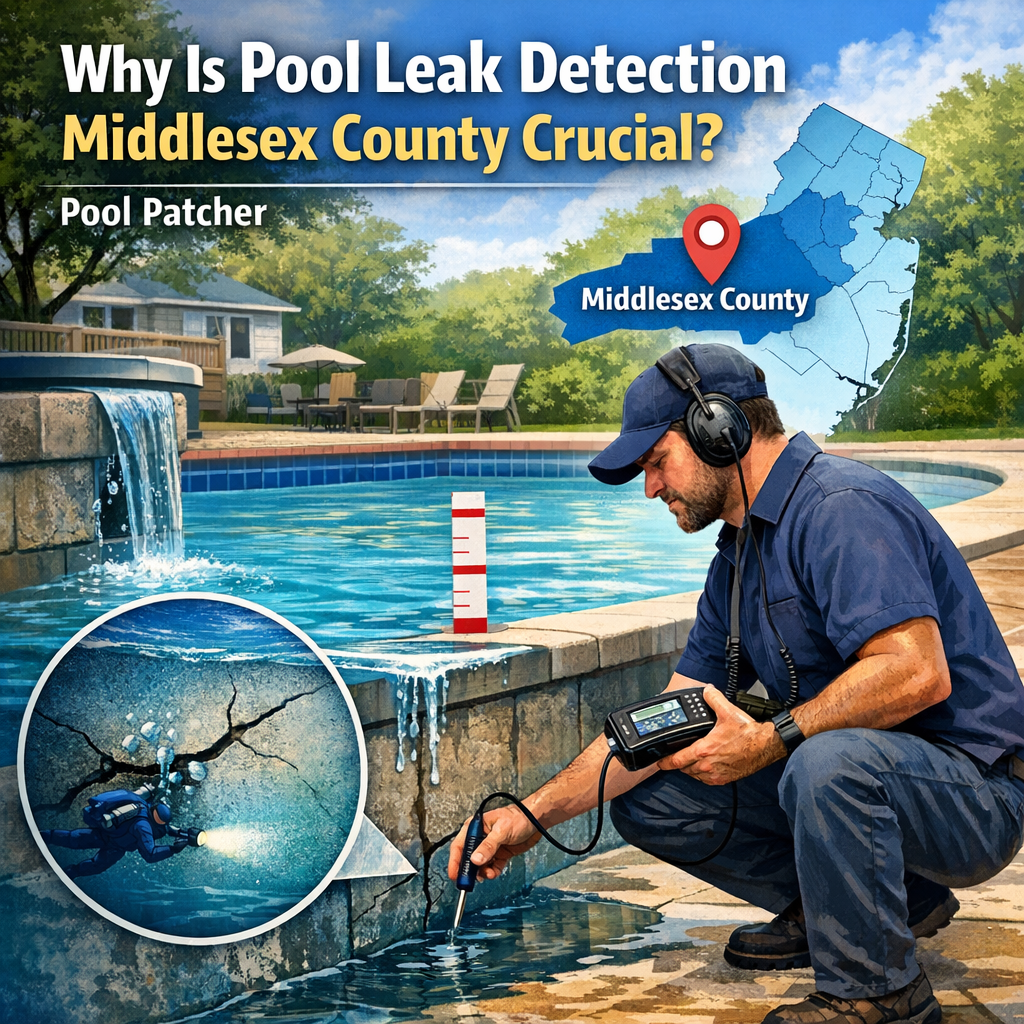
Pools located in Middletown often face unique challenges due to the area’s sandy soil composition. Sandy soil, while easy to work with in many landscaping aspects, can pose significant issues for pool integrity, leading to frequent leaks and structural concerns. Understanding how to identify, repair, and prevent leaks in such environments is essential for maintaining a safe and functional pool. This article provides comprehensive advice tailored to Middletown pools situated near sandy soil, helping pool owners address common issues effectively and preserve their investment.
Identifying Common Pool Leaks in Sandy Soil Environments
In sandy soil environments like Middletown, pool leaks often manifest through noticeable water loss, fluctuating water levels, or wet spots around the pool area. Due to the porous nature of sandy soil, water can seep quickly into the ground, making it challenging to pinpoint the exact leak source. Common indicators include a sudden drop in water level without apparent evaporation, persistent wet patches on the surrounding ground, or unexplained increases in water bills. Visual inspections of the pool’s liner, fittings, and plumbing are essential, along with professional leak detection methods such as dye testing or pressure tests, which can help identify leaks in underground plumbing or structural cracks that are otherwise hidden beneath the sandy soil.
Effective Repair Strategies for Middletown Pools Affected by Sandy Soil
Repairing leaks in pools situated on sandy soil requires a strategic approach that accounts for the soil’s shifting nature. One effective method involves stabilizing the ground around the pool with compacted gravel or geotextile fabric to reduce movement and provide a more solid foundation. For cracks or structural damage, epoxy or polyurethane-based pool patching compounds are suitable for sealing leaks in the liner or concrete shell. In cases where underground plumbing is compromised, professional line pinpointing and trenchless pipe repair techniques can minimize disturbance to the sandy soil. Additionally, installing a secondary barrier, such as a waterproof membrane or an additional liner, can help prevent water from seeping into the ground, offering a long-term solution for pools in this environment.
Preventative Maintenance Tips to Minimize Future Pool Leaks
To minimize the risk of future leaks in pools near sandy soil, regular maintenance and proactive measures are crucial. Monitoring water levels consistently can help detect early signs of leaks before they worsen. Maintaining proper chemical balance ensures the integrity of the pool’s liner and plumbing components, preventing deterioration. It’s also advisable to inspect and tighten fittings, valves, and seals periodically, especially after heavy storms or ground shifts. Installing a robust, reinforced pool shell or lining designed for sandy soil conditions can provide added durability. Finally, managing the surrounding landscape by planting vegetation that stabilizes the soil and avoiding excessive excavation near the pool’s perimeter will help prevent soil erosion and ground movement that could lead to leaks over time.
Pools in Middletown facing sandy soil challenges require attentive care and tailored solutions to maintain their integrity. By accurately identifying leaks, employing effective repair strategies, and practicing preventative maintenance, pool owners can extend the lifespan of their pools and enjoy a safe, trouble-free swimming experience. With proper understanding and proactive management, the impact of sandy soil on pool longevity can be significantly mitigated, ensuring many seasons of enjoyment ahead.