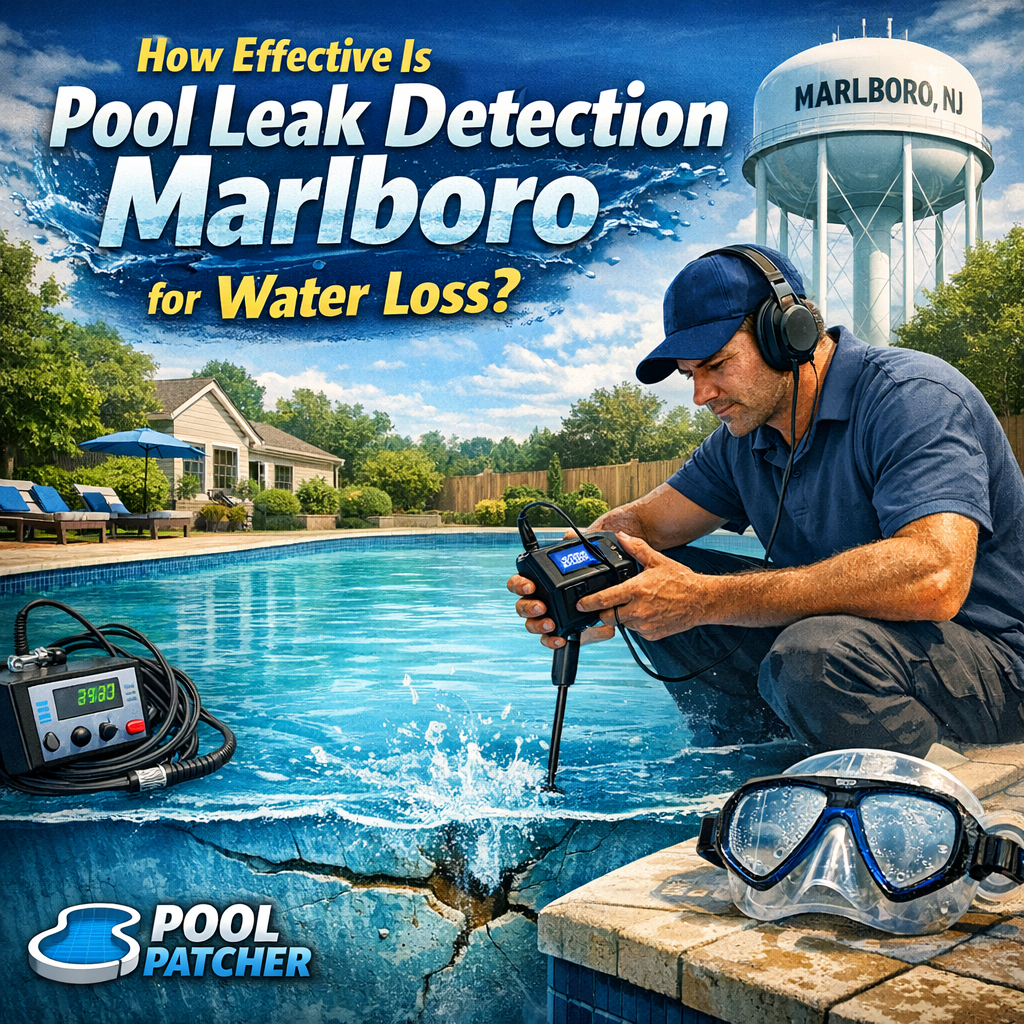
A well-maintained pool provides endless enjoyment and relaxation, especially during the warmer months. However, over time, pool liners can become worn or damaged, leading to leaks that compromise the pool’s integrity and increase water and chemical costs. For residents of Howell South Pools, understanding how to identify, repair, and prevent liner leaks is essential for maintaining a safe and functional swimming environment. This article offers a comprehensive overview of how to recognize signs of a worn liner, step-by-step instructions for repairing leaks, and preventative tips to extend the lifespan of your pool liner.
Identifying Signs of a Worn Pool Liner in Howell South Pools
Detecting a worn or damaged pool liner early can save time and money by preventing more extensive issues down the line. Common signs include unexplained water loss, which can be observed by regularly monitoring the water level; if it drops significantly without obvious reasons like evaporation or splashing, a leak may be present. Additionally, visible tears, wrinkles, or fading in the liner’s material often indicate wear and potential failure. Discoloration, mold, or algae growth on the liner surface can also suggest deterioration, especially in areas that are difficult to clean or have been exposed to harsh chemicals. Paying close attention to these signs allows pool owners in Howell South Pools to address issues promptly before leaks worsen or cause structural damage.
Step-by-Step Guide to Repairing Pool Leaks in Howell South Pools
When repairing a leak in a worn pool liner, a systematic approach ensures effective results. First, drain the pool to a level below the damaged area, ensuring safety and accessibility. Carefully inspect the liner for tears, holes, or weak spots, and clean the area thoroughly to remove debris, algae, or residue. For small punctures or tears, use a high-quality vinyl repair kit, which typically includes adhesive and patch material; cut the patch to size, apply the adhesive as directed, and press firmly to ensure a secure bond, allowing adequate curing time. For larger or more complex damages, it may be necessary to replace sections of the liner or call in professional assistance. Once the repair is complete, refill the pool gradually and check for any signs of continued leakage. Regular testing and observation after repairs help confirm the integrity of the fix and ensure the pool remains safe and functional.
Preventative Tips for Maintaining Your Pool Liner’s Integrity
To extend the lifespan of your pool liner and minimize leaks, implementing preventative maintenance practices is essential. Regularly inspect the liner for early signs of wear and address minor issues promptly. Maintaining proper chemical balance in the pool water prevents liner deterioration caused by corrosive substances. Avoid dragging or placing sharp objects near the liner to prevent tears and punctures. Installing a pool cover when the pool is not in use can protect the liner from UV damage, debris, and environmental stressors. Additionally, maintaining proper water levels and ensuring the filtration system operates efficiently help prevent unnecessary strain on the liner. Periodic professional inspections can also identify potential issues before they escalate, saving money and prolonging the life of your pool liner in Howell South Pools.