
If your pool is losing water, it is easy to get pulled toward “no-dig” products, pipe coatings, pipe sleeving, glue-in fixes, or other shortcut methods that sound cheaper and faster. However, most pool plumbing leaks are not solved the right way with a temporary inside-the-pipe attempt. In many cases, a proper permanent repair costs the same as, or even less than, a failed shortcut that has to be dealt with again later.
At Pool Patcher®, we believe pool owners deserve the truth. Pool plumbing is not the same as a straight residential sewer line. Most pool lines branch, tie into other lines, turn sharply, and use different pipe materials. That makes methods like sleeving, pipe fusing, internal sealants, and other quick-fix products a poor fit for many real-world pool leaks.
The right way is simple: find the exact compromised area with legitimate pool leak detection and repair that one failed section correctly.
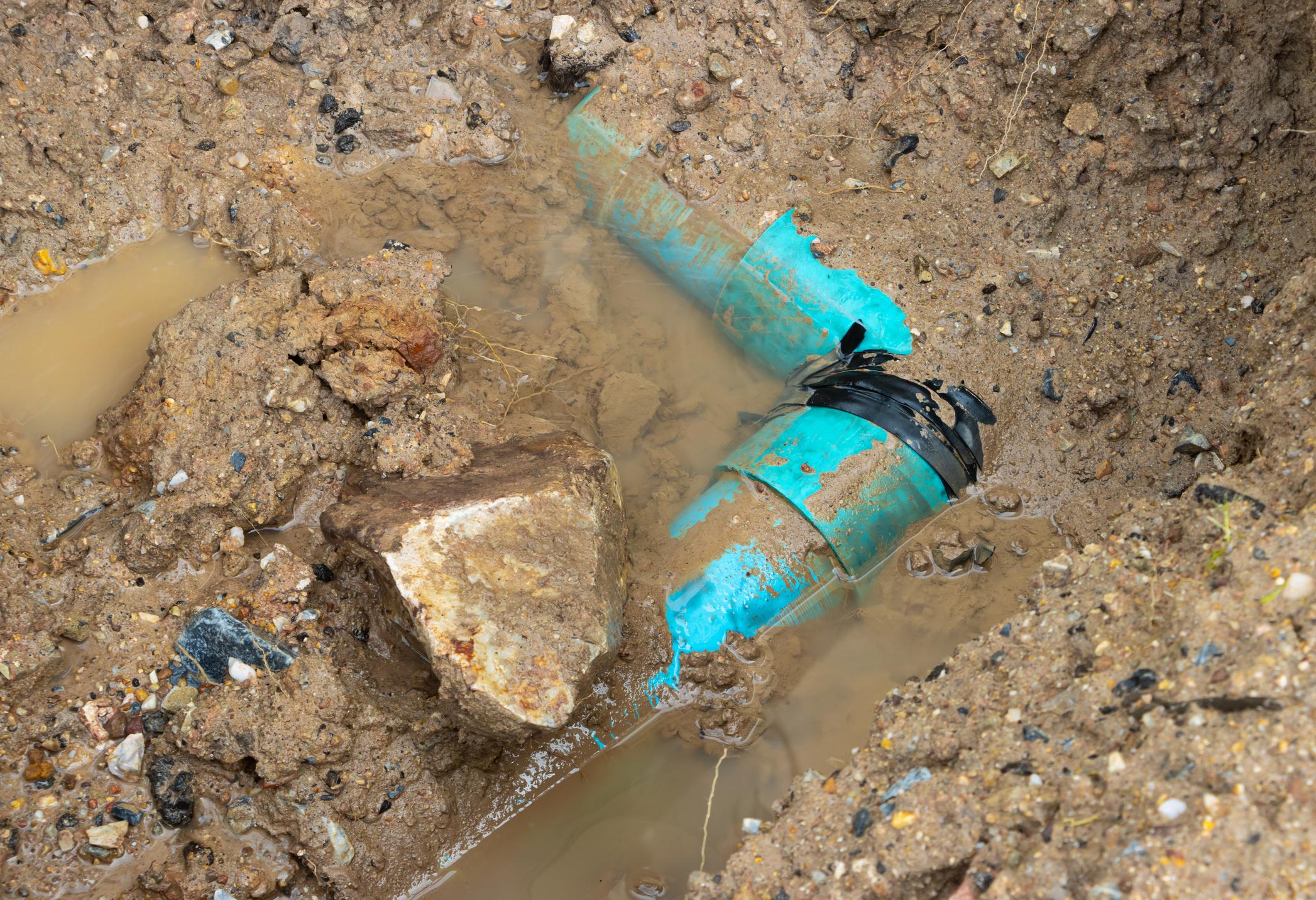
Products like PipeFuze and other internal sealants are marketed as a way to repair leaking plumbing without digging. Pipe sleeving and sewer-style relining are also often mentioned by homeowners who have heard about trenchless drain repair. The problem is that pool plumbing is usually not laid out like a simple sewer line. Pool systems often split into multiple returns, branch through tees or wyes, and use a mix of rigid PVC, flex PVC, and black poly. That means many shortcut methods cannot fully address the actual failed area.
The better solution is usually not replacing the whole line either. The best value is often to test the line properly, locate the exact leak, expose only the compromised section, and repair that one area correctly.
PipeFuze’s own product pages currently describe it as a polymer-based, no-dig injection system for non-potable plumbing lines, with kits sold for pool-related applications. That sales pitch is designed around avoiding excavation. On paper, it sounds appealing. Homeowners naturally like the idea of skipping digging, cutting, or concrete removal.
The issue is that a product designed to coat or seal a line from the inside still depends on the pipe layout, the type of failure, the condition of the line, and whether the damaged area can be reached and treated evenly. If the pipe is split, separated, weakened at a fitting, or connected into multiple branches, that shortcut may not solve the real structural problem.
If you are comparing PipeFuze, sleeving, internal coatings, or other no-dig options, this side-by-side breakdown makes the differences much easier to understand on a phone.
Many customers hear about trenchless sewer relining and assume it should work the same way on a pool. That is where confusion starts. Sewer lining is a different category of repair. Even lining companies say success depends on pipe size, pipe condition, cleaning, and configuration. Complicated layouts and certain bend conditions can create major challenges.
Pool plumbing often has a very different layout from a straight sewer run. A pool line may branch out to multiple returns, tie into other lines, split at tees or wyes, or change direction quickly. Once a line branches, it becomes much harder for a sleeve-style approach to fully enter, seat, and repair only one specific failing path the right way. That is one big reason why pool pipe sleeving is usually not the answer people think it is.
In other words, customers are often comparing a sewer repair method to a pool plumbing system that is built very differently. That mismatch is exactly why proper pool leak detection matters so much before anyone spends money chasing a shortcut.
In the Northeast, and especially in many older New Jersey pools, plumbing is often not one long, simple, straight line. You may find black poly, flex PVC, rigid PVC, barbed insert fittings, clamps, glued fittings, and sections that transition from one material to another. That matters because shortcut products often assume a simpler and more uniform pipe path than what many real pool systems actually have.
If a rigid PVC line branches to several outlets, if an older black poly section is part of the run, or if a flex line transitions into a manifold, there is no guarantee that a coating, sleeve, glue-style shortcut, or fusing attempt will address the exact failure in a lasting way. The more mixed the materials and the more shared the plumbing path becomes, the less sense a generic shortcut makes.
That is why the right answer is usually not to guess and not to replace the entire line blindly either. The right answer is to locate the exact compromised area and repair that specific section correctly.
Many homeowners hear about glues, coatings, pipe fusing, sleeving, or other no-dig repair methods and assume they are a permanent answer for a leaking pool pipe. The problem is that many of these approaches were promoted around plumbing layouts that are often simpler and more uniform than what is found in many New Jersey pools.
A lot of pool plumbing in New Jersey includes flex line, black poly, and mixed-material systems. Those materials do not behave like clean, straight, rigid PVC. Glue does not reliably bond to black poly, and it is not a dependable underground fix for compromised flex line either. Once underground movement, pressure, and moisture are involved, the odds of a lasting shortcut go down even more.
Pipe sleeving has similar limits. A sleeve cannot properly travel through wyes, tees, and branch connections. Most pool plumbing does not run as one simple straight path. It often splits to several returns or shares one line with multiple outlets, which makes it very difficult for any sleeve, coating, glue, or shortcut repair to fully enter one specific path and permanently stop the leak.
That is why the smartest approach is still the same: use a legitimate pool leak detection company to locate the exact compromised area and repair that specific section correctly. That prevents unnecessary full-line replacement and helps protect your hard-earned money from being wasted on repairs that do not last.
If the line branches or shares flow with multiple outlets, the shortcut may not treat the exact failing path well enough to hold long-term.
A separated fitting, cracked elbow, failed clamp connection, or shifting underground section is a structural problem. A temporary inside-the-pipe attempt does not always restore that strength.
Older pools may use black poly in one area and rigid or flex PVC in another. That alone is a good reason to avoid one-size-fits-all repair claims.
Once money is spent on a temporary method that does not last, homeowners still have to pay for the real diagnosis and the real repair. That is how hard-earned money gets wasted.

The right repair begins with real testing. A legitimate pool leak detection company should isolate the line, pressure test it where appropriate, and identify the actual compromised section. Once the leak is pinpointed, only that failed area needs to be opened and repaired. That prevents needless guessing and prevents unnecessary full-line replacement in many cases.
This is where customers save money. Instead of paying for an inside coating, a sleeve attempt, or another shortcut that may or may not hold, they can repair the exact area that failed. That is usually the best path to a real permanent result.
Learn more about our pool pressure testing, pipe leak locating, and pool leak repair services.
No-dig is a marketing phrase. It is not a guarantee that the repair is the best option for your pool. A shortcut sounds attractive only until it fails. The question should never be “Can I avoid digging at all costs?” The real question should be “What is the actual failure, and what repair will last?”
That is the difference between spending money once and spending money twice.
Pool Patcher® provides pool leak detection and pool pipe repair across major towns in Monmouth, Ocean, Middlesex, and Mercer Counties. If you are searching for help near your area, start with these popular service pages.
Freehold pool leak repair, Marlboro pool leak repair, Manalapan pool leak repair, Holmdel pool leak repair, Middletown pool leak repair, Red Bank pool leak repair, Wall Township pool leak repair, Colts Neck pool leak repair, Tinton Falls pool leak repair, Ocean Township pool leak repair.
Toms River pool leak repair, Brick pool leak repair, Jackson pool leak repair, Lacey pool leak repair, Barnegat pool leak repair, Point Pleasant pool leak repair, Lavallette pool leak repair, Beach Haven pool leak repair.
East Brunswick pool leak repair, Old Bridge pool leak repair, Monroe pool leak repair, Plainsboro pool leak repair, South Brunswick pool leak repair, Kendall Park pool leak repair, Monmouth Junction pool leak repair, Sayreville pool leak repair.
Princeton pool leak repair, Hamilton pool leak repair, Lawrence pool leak repair, Pennington pool leak repair, Hopewell pool leak repair, Robbinsville pool leak repair, East Windsor pool leak repair, West Windsor pool leak repair.
This video helps explain why diagnosing the leak correctly is the smartest first step before anyone tries to sell you a shortcut.
If your pool is losing water, the smartest move is to test first, locate the exact leak, and repair only the compromised section that actually failed.
Do not pay for a shortcut that may not last. Start with real pool leak detection and repair the exact failed area correctly.
Call 732-705-7344 Contact Pool Patcher®Usually not in the same way. Sewer relining depends on the pipe size, condition, cleaning, and configuration. Pool plumbing is often smaller, more branched, and more complex, which makes sleeving a poor fit for many pool leaks.
Not necessarily. A shortcut that fails can cost more overall because the line may still need real leak detection and a direct repair afterward.
Many older pools use mixed materials such as black poly, flex PVC, and rigid PVC. They may also have branch lines, manifolds, tees, and wyes. That kind of layout makes shortcut methods less predictable.
Usually no. Glue is not a dependable underground repair for black poly or compromised flex line, especially when pressure, moisture, and soil movement are involved.
Not always. In many cases, a legitimate leak detection process can pinpoint the exact compromised section so only that failed area needs to be repaired.
Start with real pool leak detection. Once the exact leak is identified, you can make an informed decision and avoid wasting money on the wrong fix.
Pool plumbing leaks are usually not solved the right way with sleeving, glueing, pipe fusing, coatings, or other shortcut methods. Pool systems are too often branched, shared, mixed-material, and structurally compromised for those options to be the best long-term answer.
The right way that lasts is to identify the exact leak with a legitimate pool leak detection company and repair that single compromised area correctly. That is how you protect your hard-earned money and avoid paying twice.
Visit our FAQ or contact us here to get started.
Fix the exact compromised area the right way the first time.
Call 732-705-7344 Book an Inspection