Where is My Swimming Pool Leaking? Tips and Homeowners Tests
Discovering a swimming pool leak can be frustrating and costly if left unaddressed. Swimming pools require regular maintenance to keep them safe, clean, and enjoyable, but leaks pose a particular challenge. A swimming pool leak not only wastes water but can cause damage to your pool’s structure and surrounding areas. Identifying the source of a leak early is essential to prevent larger problems and costly repairs. In this article, we will explore common causes of leaks in swimming pools and walk you through simple, effective tests that homeowners can perform to find the source of the problem.
Common Causes of Swimming Pool Leaks

Understanding the potential origins of leaks is the first step in tackling them. Swimming pools can develop leaks for many reasons, often related to wear-and-tear, plumbing issues, or structural damage.
Structural Cracks and Pool Shell Damage
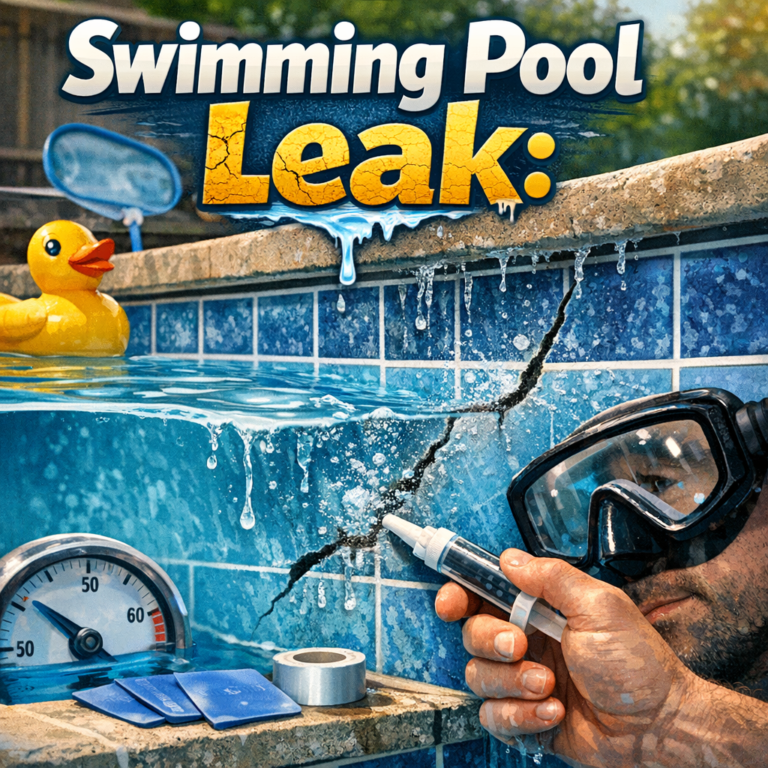
One of the most common reasons for a swimming pool leak is a crack in the pool shell or its surrounding concrete deck. These cracks can form due to ground settling, temperature changes, or poor construction. Older pools are typically more prone to these types of leaks. Even small cracks can allow significant water loss over time.
Faulty Pool Equipment and Plumbing
The plumbing system of a swimming pool—including pipes, pumps, filters, and valves—is another frequent leak source. Worn-out seals or damaged pipes can cause water to escape. Leak points can be tricky to find without careful inspection because they often occur underground or behind panels.
Problems with Pool Fittings and Accessories
Leaks can also occur around fittings such as skimmers, returns, lights, and jets. If the seals or gaskets around these components degrade or shift, water may slowly escape into areas behind the pool walls.
Homeowner Tests to Identify Swimming Pool Leaks
Before calling a professional, homeowners can perform basic diagnostic tests to pinpoint where the leak might be coming from. Here are several effective methods.
The Bucket Test: Checking for Evaporation vs. Leaks
This test helps determine whether water loss is due to evaporation or an actual leak.
Steps:
- Fill a bucket with pool water up to about an inch from the top.
- Place the bucket on a pool step or ledge so that the water inside the bucket is level with the pool’s water.
- Turn off the pool pump and ensure no water is being added or drained for 24 hours.
- After 24 hours, compare the water level inside the bucket and the pool.
Interpretation:
- If the pool water level has dropped more than the water in the bucket, it’s likely there is a leak.
- If both levels dropped equally, water loss is probably due to evaporation.
Visual Inspection of Pool Equipment and Fittings
Turn off the pump and inspect all visible plumbing, hoses, and fittings. Look for damp or wet spots, corrosion, and cracks. Check the area around the pool equipment and suction or return lines for leaks. You can place a dry cloth near common leak points to see if it becomes wet over time.
Dye Test: Detecting Leak Sources in Pools
A dye test helps track down small leaks by observing water movement.
How it works:
- Close the pool’s circulation system to prevent water flow.
- Slowly squirt a concentrated dye near suspected leak points such as cracks, corners, skimmer edges, or fittings.
- Watch the dye to see if it is sucked into cracks or openings.
If the dye flows into a crack or opening, you have likely found a leak area.
Pressure Testing the Plumbing Lines
While more advanced, some homeowners with tools can pressure test the plumbing lines to detect leaks underground or behind walls. This involves capping pipes and pressurizing them with air or water to see if pressure drops over time, indicating a leak.
When to Call a Professional
While homeowners can perform many initial tests, some leaks require expert diagnosis and repair. If you cannot find the source or if leaks persist after repairs, it’s best to contact a qualified pool technician. Professionals have specialized equipment such as electronic leak detectors and infrared cameras to locate leaks precisely and safely.
Conclusion
A swimming pool leak can lead to wasted water, increased costs, and structural damage if not addressed promptly. By understanding common leak sources and using simple methods such as the bucket test and dye test, homeowners can narrow down the problem areas. Regular monitoring and maintenance are key to preserving the integrity of your pool. When in doubt, don’t hesitate to seek professional help to keep your swimming pool in excellent condition.