Lincroft pools are popular features for homeowners seeking a relaxing outdoor retreat. However, like all in-ground pools, they are susceptible to structural issues caused by environmental factors. One of the most common problems faced by Lincroft pool owners is cracking, which often results from soil pressure and movement beneath the pool. Understanding the relationship between soil dynamics and pool integrity is essential for effective prevention and maintenance, ensuring the longevity and safety of these valuable backyard installations.
Understanding Soil Pressure and Its Impact on Pool Structures
Soil pressure refers to the force exerted by the soil surrounding an underground structure, such as a pool, due to its weight and movement. This pressure varies depending on soil type, moisture content, and external conditions like weather changes. When the soil is moist, it becomes heavier and exerts greater force on the pool walls, while dry or compacted soil may shift or settle unevenly. These fluctuations can create stress on the pool’s shell and supporting structures, leading to cracks or even structural failure over time. Proper understanding of soil behavior is crucial for designing pools that can withstand these pressures without damage, especially in regions like Lincroft where soil conditions may vary significantly.
Common Causes of Cracks in Lincroft Pools Due to Soil Movement
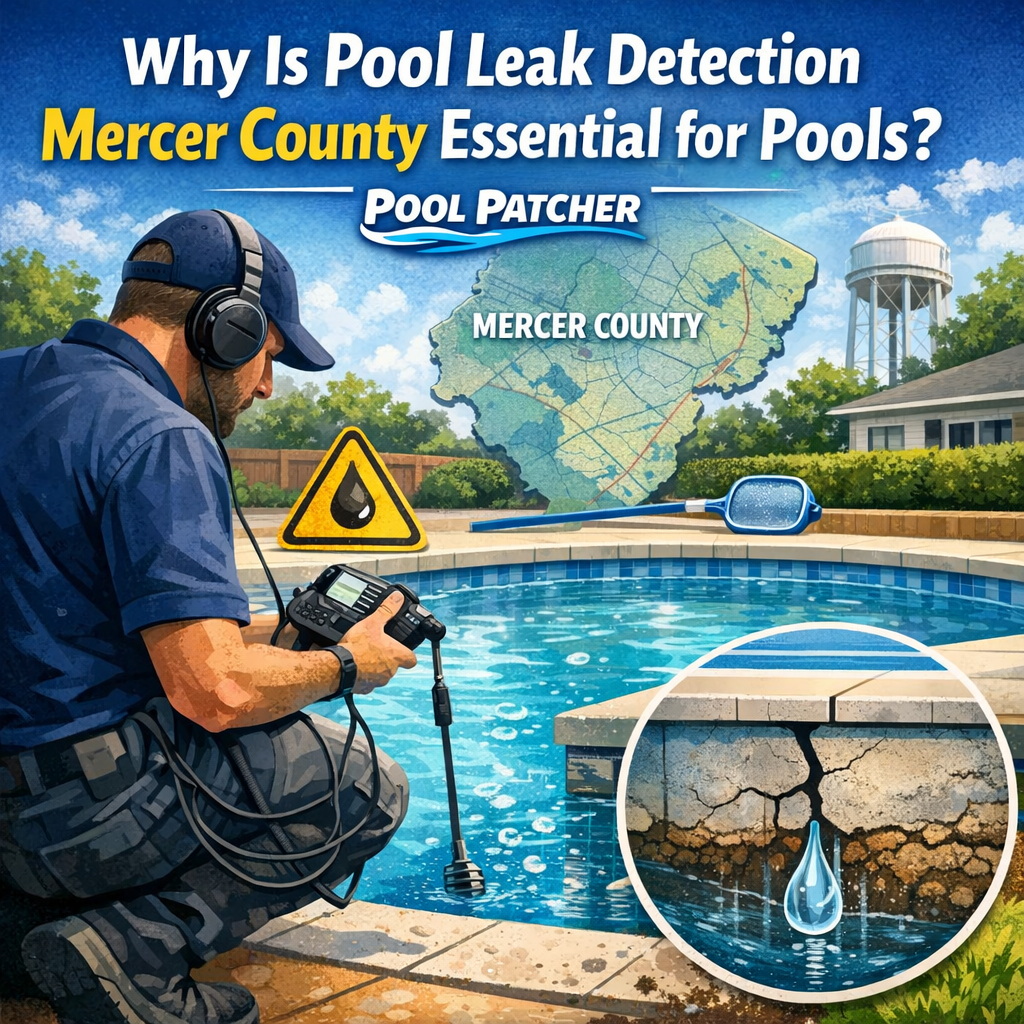
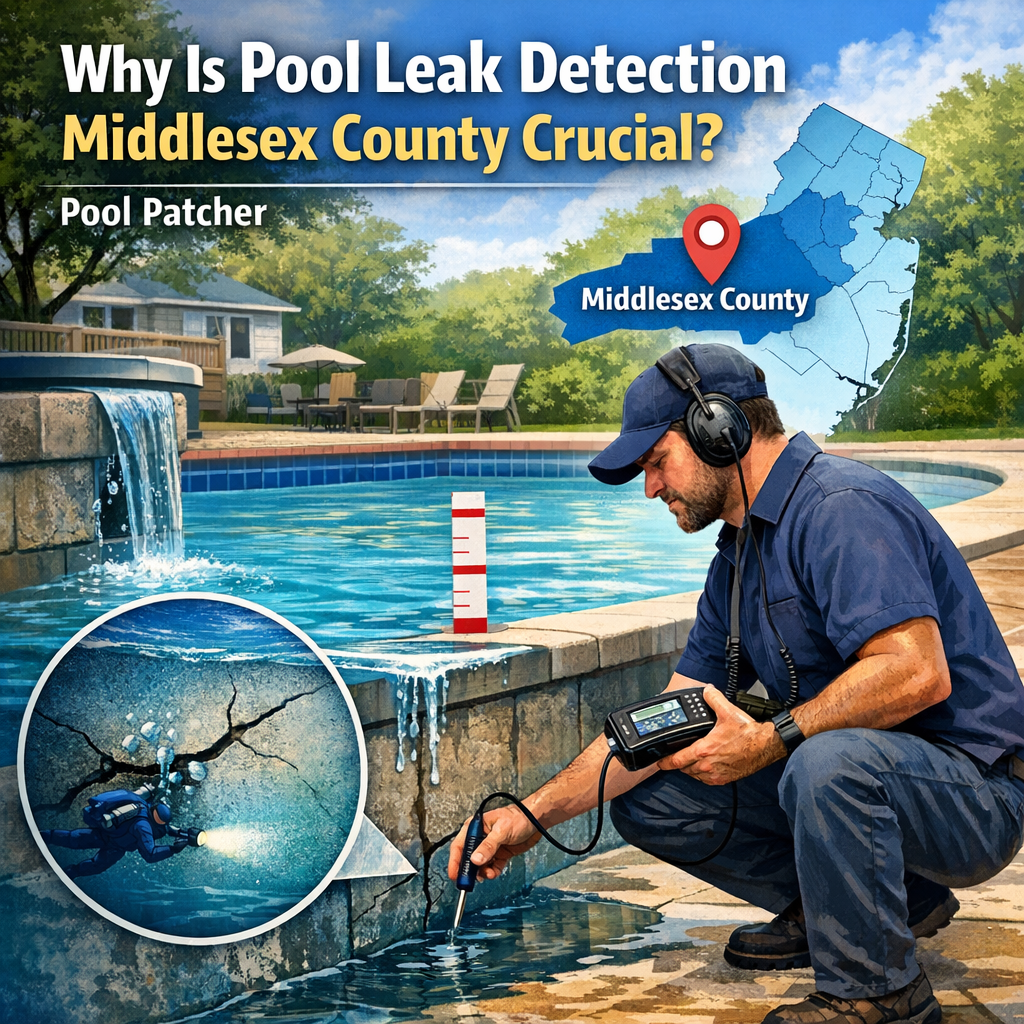
Cracks in Lincroft pools often originate from soil movement caused by natural and environmental factors. One common cause is soil expansion and contraction, driven by changes in moisture levels—wet weather causes soil to swell, exerting upward pressure, while dry spells lead to shrinkage and settling, resulting in downward or lateral forces. Additionally, poor drainage around the pool area can lead to water accumulation and increased soil pressure, exacerbating stress on the pool structure. Soil erosion and shifting due to construction activities or natural settling can also create uneven support, leading to cracks. Over time, these movements can cause stress concentrations that manifest as visible cracks in the pool shell or surrounding deck.
Preventative Measures to Minimize Soil-Related Pool Damage
To prevent soil-related damage to Lincroft pools, homeowners and builders should implement proactive measures. Proper site preparation, including thorough soil assessment and stabilization, can reduce the risk of uneven settling. Installing adequate drainage systems around the pool helps control moisture levels, preventing excessive swelling or shrinking of the soil. Additionally, using flexible joints and reinforced pool shells can accommodate minor soil movements without cracking. Regular maintenance, such as monitoring soil moisture and addressing drainage issues promptly, further minimizes risks. Consulting with geotechnical experts during the design and construction phases ensures that the pool is tailored to withstand local soil conditions, ultimately extending its lifespan and preserving its structural integrity.
Understanding the causes of soil pressure and its impact on Lincroft pools is vital for preventing costly repairs and ensuring safety. By recognizing how soil movement influences pool integrity and adopting appropriate preventative strategies, homeowners can enjoy their pools with peace of mind, knowing they are protected against common structural issues arising from soil-related pressures. Proper planning, maintenance, and expert guidance are key to maintaining a durable and beautiful pool environment for years to come.