Maintaining a residential pool in Lakewood, especially near sensitive wetland areas, requires careful attention to detail and proactive maintenance. One critical aspect of pool care is leak detection, which not only preserves the integrity of the pool but also protects the surrounding environment. Wetlands are delicate ecosystems that can be easily impacted by water leaks, making early detection and prompt repair essential. This article explores the importance of leak detection in Lakewood pools near wetlands, common causes of leaks in residential properties, and effective methods for identifying and fixing these issues to ensure both pool longevity and environmental safety.
Understanding the Importance of Pool Leak Detection Near Wetlands
Detecting and addressing pool leaks near wetlands is vital for multiple reasons. First, leaks can lead to significant water wastage, increasing water bills and unnecessary resource consumption. More critically, leaks in close proximity to wetlands pose a risk of contaminating these sensitive habitats with chemicals, debris, or excess nutrients from pool water. Wetlands serve as natural filters and habitats for diverse species, and even minor leaks can disrupt their ecological balance. Additionally, undetected leaks can cause structural damage to the pool and surrounding infrastructure, leading to costly repairs. Therefore, early leak detection not only safeguards the pool but also helps preserve the health of nearby wetlands, ensuring the local ecosystem remains balanced and protected.
Common Causes of Pool Leaks in Lakewood Residential Properties
Pool leaks in Lakewood homes can stem from a variety of causes, often related to aging infrastructure or environmental factors. Common issues include deteriorated or cracked pool liners, which can develop tears over time due to sun exposure, chemical imbalance, or ground movement. Plumbing failures are another frequent source, where broken or loose pipes, fittings, or valves allow water to escape. Structural cracks in the pool shell or concrete decking can also lead to leaks, often caused by soil shifting or freeze-thaw cycles common in the region. Additionally, improper installation or corrosion of equipment such as pumps and filters can contribute to water loss. Identifying the root cause of leaks is essential for effective repair and to prevent further environmental impact, especially near wetlands.
Effective Methods for Detecting and Repairing Pool Leaks
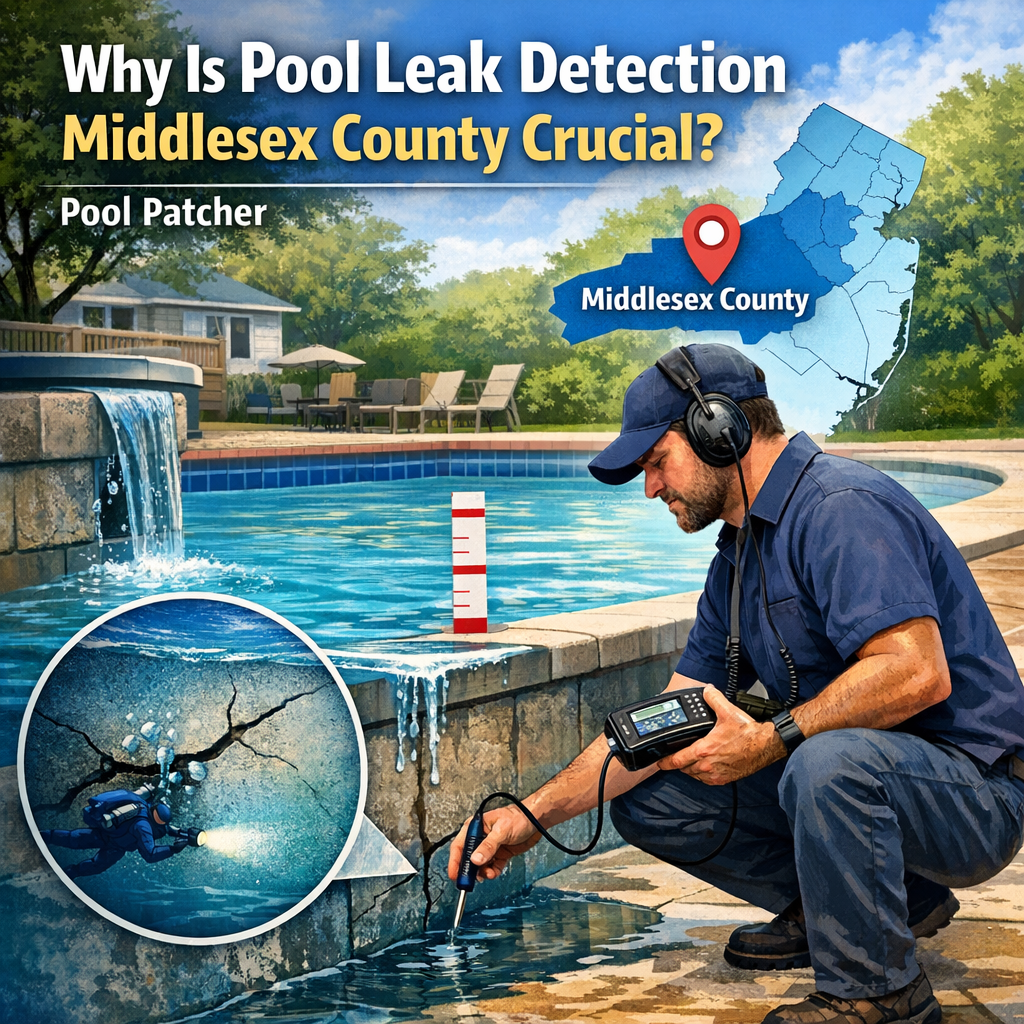
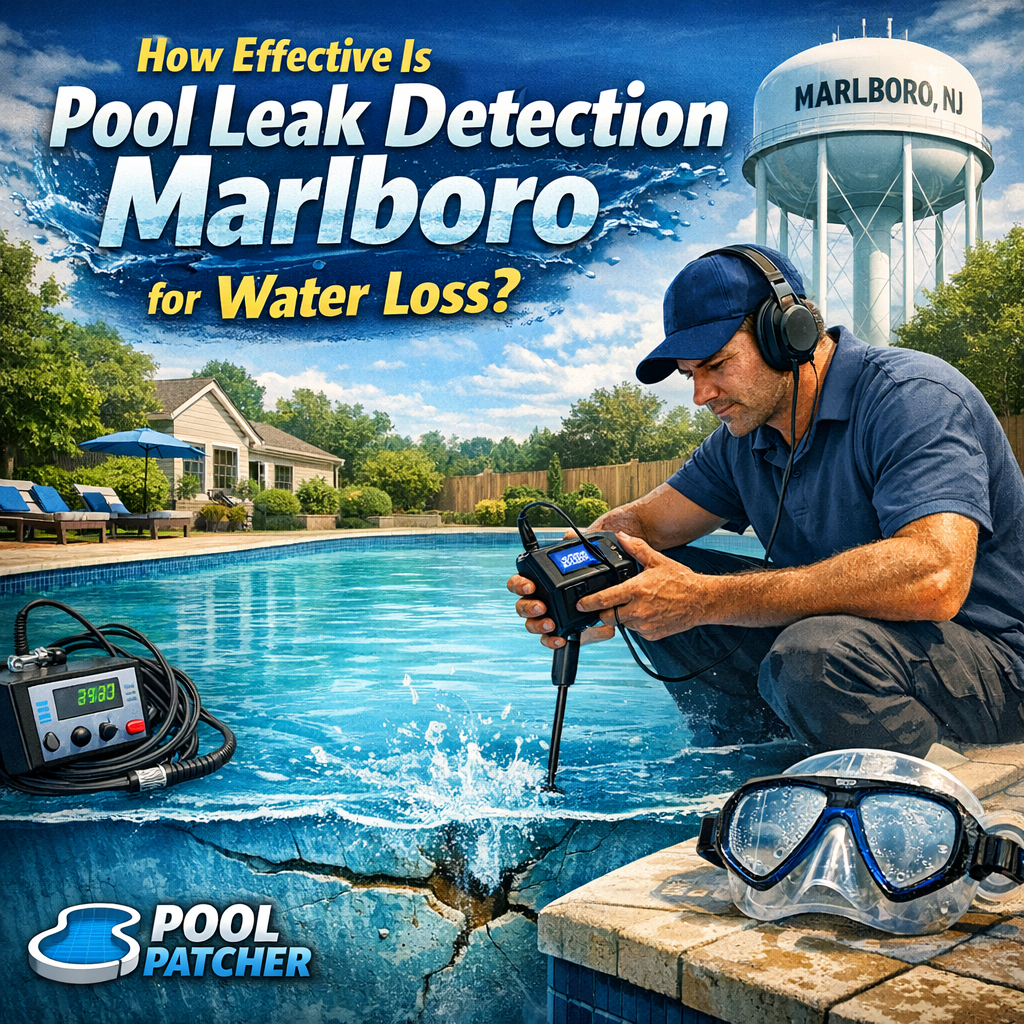
Several reliable techniques are employed to detect and repair pool leaks efficiently. The most straightforward method is the water loss test, where the pool is filled to a specific level, and the water level is monitored over time to identify abnormal drops. Electronic leak detection devices use sound or pressure sensors to pinpoint leaks in plumbing or shell cracks with high precision. Dye testing involves introducing a dye into suspected leak areas to observe water flow, revealing the exact location of cracks or holes. Once a leak is identified, repairs may include patching cracks, replacing damaged liners or pipes, or sealing structural issues. For pools near wetlands, it is advisable to work with professionals who use environmentally responsible repair materials and techniques to minimize ecological impact. Regular maintenance and prompt leak detection can extend the lifespan of the pool and protect the surrounding natural habitat.
In conclusion, pool leak detection near wetlands in Lakewood is a crucial aspect of responsible pool ownership and environmental stewardship. Understanding the importance of early detection, recognizing common causes, and utilizing effective detection and repair methods can help homeowners maintain their pools efficiently while safeguarding nearby ecosystems. By prioritizing proactive maintenance, residents can enjoy their pools without compromising the health of the wetlands that surround their properties.